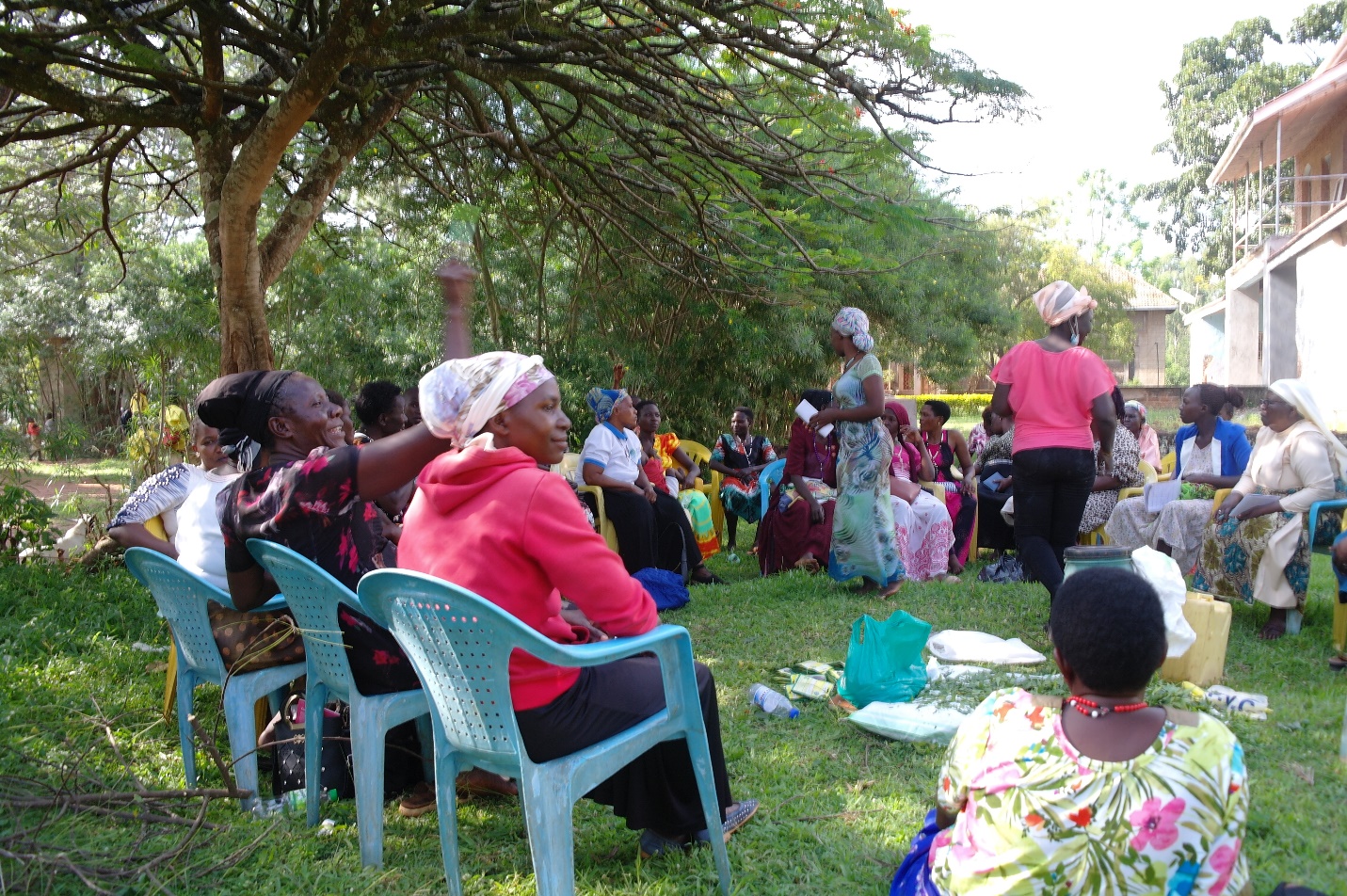
Food security
Food security is a fundamental human need, defined by access to sufficient, safe, and nutritious food. This complex issue involves socio-economic, environmental, and political factors. Food security has three dimensions: availability, access, and utilization. Availability requires sufficient production, influenced by agricultural productivity, land use, water availability, climate, and technology. Access involves economic factors and infrastructure, while utilization requires dietary diversity, food safety, nutritional knowledge, and cultural preferences. Stability is also critical, with vulnerabilities leading to food insecurity during emergencies.
A holistic approach is needed, integrating policies across agriculture, nutrition, health, education, and social welfare. Key strategies include investing in agricultural research and infrastructure, promoting sustainable farming, improving market access, enhancing social protection, and strengthening food safety regulations. Addressing poverty, inequality, and climate change is essential for long-term food security, prioritizing the needs of vulnerable populations and promoting inclusive, sustainable development.
The Process of CEI Project


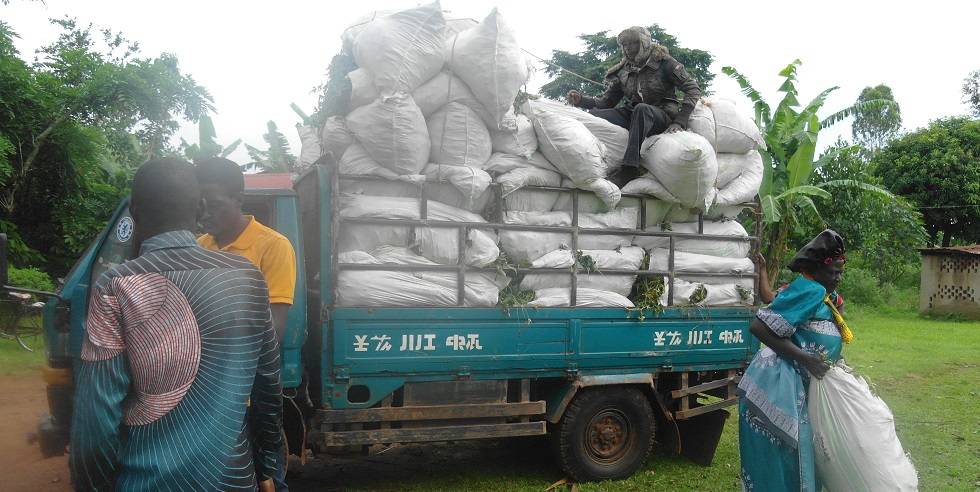
Our Projects
Caritas Jinja implements holistic programs based on the global development agenda the Sustainable Development Goals (SDGs), the National Development Plan (NDP) and the District Development Plans (DDP) priorities and the principles of Integral Human Development-IHD. The Organization also uses a Human Rights Based Approach (HRBA) in the implementation of her programs.